The Growing Importance of Biodegradable Masterbatch and Additive Masterbatch in Modern Plastics
Introduction
In today’s rapidly evolving industrial world, plastics play a vital role in almost every sector, from packaging and agriculture to automotive and consumer goods. However, the environmental concerns associated with plastic waste have pushed industries to adopt smarter and more sustainable solutions. This is where Biodegradable Masterbatch and Additive Masterbatch come into focus as essential innovations in plastic manufacturing.
These advanced materials help manufacturers improve product performance while also addressing environmental challenges. With the support of experienced Masterbatch Manufacturers, businesses can create plastic products that are both efficient and responsible.
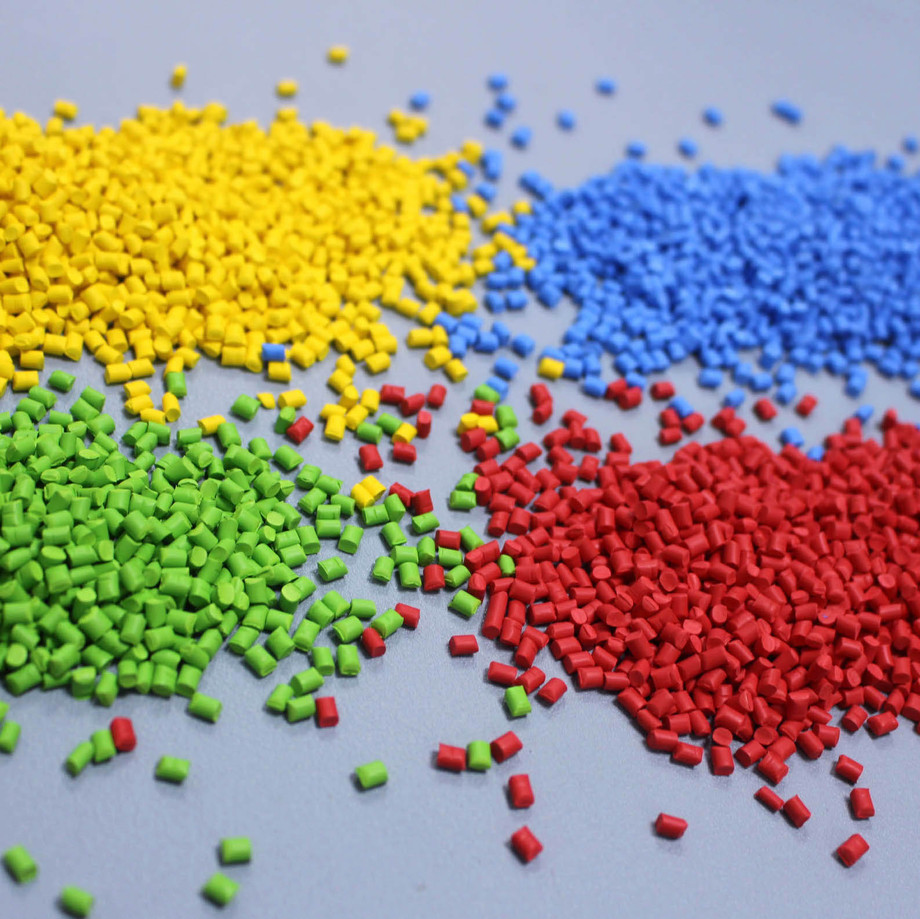
What is Masterbatch?
Masterbatch is a concentrated blend of pigments, additives, or functional compounds that are encapsulated into a carrier resin. It is used during plastic processing to introduce specific properties into the final product. Instead of mixing raw additives directly, manufacturers use masterbatch for better dispersion, consistency, and ease of handling.
Masterbatch ensures uniform quality, reduces production errors, and improves the overall efficiency of plastic manufacturing processes.
Understanding Biodegradable Masterbatch
Biodegradable Masterbatch is specially designed to help plastics decompose naturally over time. It contains additives that initiate and accelerate the breakdown of polymer chains when exposed to environmental conditions such as sunlight, oxygen, moisture, and microorganisms.
Unlike traditional plastics that can remain in the environment for hundreds of years, biodegradable plastics treated with this masterbatch begin to degrade much faster. This makes it an ideal solution for industries looking to reduce their environmental footprint without compromising on product performance.
The functionality of biodegradable masterbatch lies in its ability to trigger oxidation and microbial activity, which ultimately converts plastic waste into smaller fragments and eventually into natural elements like water, carbon dioxide, and biomass.
Benefits of Biodegradable Masterbatch
One of the most important advantages of Biodegradable Masterbatch is its contribution to environmental sustainability. It helps reduce plastic waste accumulation and supports eco-friendly initiatives across industries. As governments worldwide enforce stricter regulations on plastic usage, biodegradable solutions provide a practical way for companies to comply with environmental standards.
Another key benefit is its ability to maintain the strength and usability of plastic products during their intended lifespan. This ensures that performance is not compromised while still enabling degradation after disposal.
Biodegradable masterbatch is also versatile and can be used in a wide range of applications such as carry bags, packaging films, agricultural mulch films, and disposable plastic items. Additionally, it enhances brand reputation, as consumers increasingly prefer environmentally responsible products.
What is Additive Masterbatch?
Additive Masterbatch is designed to improve the functional properties of plastic materials. It contains specific additives that enhance characteristics such as strength, durability, flexibility, and resistance to environmental factors.
Unlike biodegradable masterbatch, which focuses on decomposition, additive masterbatch aims to optimize the performance and longevity of plastic products. It plays a crucial role in ensuring that plastics can withstand various conditions during use.
There are several types of additive masterbatch available, each serving a unique purpose. These include UV stabilizers that protect against sunlight, anti-block additives that prevent films from sticking, slip additives that improve surface smoothness, flame retardants for fire resistance, antioxidants for extended life, and antistatic agents to reduce static electricity.
Benefits of Additive Masterbatch
The use of Additive Masterbatch significantly enhances the overall performance of plastic products. It improves durability, making materials more resistant to wear, heat, and environmental damage. This results in longer-lasting products that maintain their quality over time.
Additive masterbatch also improves processing efficiency by ensuring smooth production and reducing defects. It enhances flow properties during manufacturing, which leads to better output and reduced material wastage.
Another major advantage is customization. Manufacturers can tailor the properties of plastic according to specific requirements, whether it is for flexibility, strength, or resistance. This flexibility makes additive masterbatch highly valuable across various industries.
Applications of Additive Masterbatch
Additive masterbatch is widely used in multiple sectors due to its versatility and performance-enhancing capabilities. In the packaging industry, it improves the strength and appearance of plastic films while adding features like anti-static and anti-block properties.
In agriculture, additive masterbatch is used in greenhouse films and irrigation systems, providing UV protection and improved durability. The automotive industry relies on it for manufacturing components that require heat resistance and flame retardancy.
In consumer goods, additive masterbatch enhances the finish, texture, and durability of products, ensuring they meet both functional and aesthetic standards.
Difference Between Biodegradable Masterbatch and Additive Masterbatch
While both types of masterbatch are essential, they serve different purposes in plastic manufacturing. Biodegradable Masterbatch focuses on reducing environmental impact by enabling plastics to break down naturally after use. On the other hand, Additive Masterbatch is designed to improve the performance, strength, and lifespan of plastic products.
Biodegradable masterbatch is commonly used in short-life or disposable products, whereas additive masterbatch is used in applications that require durability and long-term use. Together, they offer a balanced approach to modern plastic production by combining sustainability with performance.
Choosing the Right Masterbatch
Selecting the right masterbatch depends on the specific needs of the application. Factors such as the type of polymer, processing conditions, and desired product properties must be carefully considered. For example, if environmental impact is a priority, biodegradable masterbatch is the ideal choice. If performance enhancement is required, additive masterbatch is more suitable.
Working with reliable Masterbatch Manufacturers ensures access to high-quality materials and expert guidance. They can help customize solutions based on industry requirements and ensure consistent product performance.
Future Trends in Masterbatch Industry
The masterbatch industry is continuously evolving as new technologies and environmental concerns shape the future of plastics. The demand for Biodegradable Masterbatch is expected to rise significantly as industries move towards sustainable practices.
At the same time, advancements in Additive Masterbatch are leading to the development of multifunctional solutions that combine several benefits in one product. Increased investment in research and development is helping manufacturers create more efficient and cost-effective materials.
The concept of a circular economy is also gaining importance, encouraging the use of recyclable and biodegradable plastics. This shift is expected to drive innovation and growth in the masterbatch industry.
Conclusion
In conclusion, Biodegradable Masterbatch and Additive Masterbatch are transforming the plastic manufacturing industry by addressing both environmental and performance challenges. While biodegradable solutions help reduce plastic waste and support sustainability, additive masterbatch enhances the quality and durability of plastic products.
By partnering with trusted Masterbatch Manufacturers, businesses can adopt advanced materials that meet modern demands and contribute to a more sustainable future. As industries continue to innovate, the importance of these masterbatch solutions will only continue to grow.

Comments
Post a Comment